

It’s Hard to Save and Even Harder to Spend
During our working lives, the formula to financial success is clear: earn more, don’t spend it all, save/invest the difference. If you’re reading this, you’ve likely done just that - building up a sizeable nest egg for your future through hard work and habitual saving. But retirement changes everything. Now, the question isn’t how to save - it’s how to spend. And after a lifetime of discipline, that can feel surprisingly difficult. You likely think our job, as financial planners, is to tell you to save more and spend less; however, one of the biggest challenges we help our clients with isn’t saving or investing - it’s spending. Not reckless spending. Not wasteful spending. But spending well. Spending confidently. Spending in a way that allows you to actually enjoy the wealth you’ve built, without the constant anxiety of “what if we run out?”. Whilst running out of money is a genuine concern to be addressed, most retirees don’t run out of money. In fact, research shows that - on average - they leave most of their wealth untouched throughout retirement. Across all wealth levels, the majority of retirees aren’t spending down their assets the way they expected to. Studies from both the UK and the US show that, in many cases, people actually grow their wealth in retirement. The FCA has found that many retirees withdraw at a rate lower than their investments earn, meaning their overall wealth stays the same or even increases:

Nick Maggiulli, Chief Operating Officer and Data Scientist at Ritholtz Wealth Management, highlighted similar trends in the US:
58% of retirees withdraw less than their portfolio earns, 26% withdraw roughly what their portfolio earns, and only 14% actually dip into their principal.
In the UK, research by the Institute for Fiscal Studies (IFS)1 found that wealthier retirees often pass away with significantly more than they retired with:
On average individuals will draw down just 31% of net financial wealth between ages 70 and 90. Even among individuals in the top half of the financial wealth distribution, net financial wealth looks to be drawn down by just 39%, on average.
Why does this happen? Because after a lifetime of saving, people struggle to switch from a saving mindset to a spending mindset.
Are You Underspending?
If you’ve spent decades living within your means it’s hard to suddenly flip a switch and start spending confidently. There are three big reasons why retirees underspend: Fear This is the biggest one. Retirement is unpredictable. You don’t know how long you’ll live, what healthcare costs you’ll face, or what markets will do. That uncertainty leads to cautious spending, which is understandable - but often unnecessary. Guilt/Frugality After years of being responsible, spending more can feel uncomfortable. Many people, even those with more than enough, feel guilty about booking expensive holidays, upgrading their car, or even just enjoying luxuries they denied themselves for years. Legacy Some hold back on spending because they want to leave money for their children or grandchildren; however, often their financial plan isn’t optimised for it, meaning they end up paying more tax than necessary and leaving behind money they could have enjoyed or seen their family enjoy whilst they were still alive.
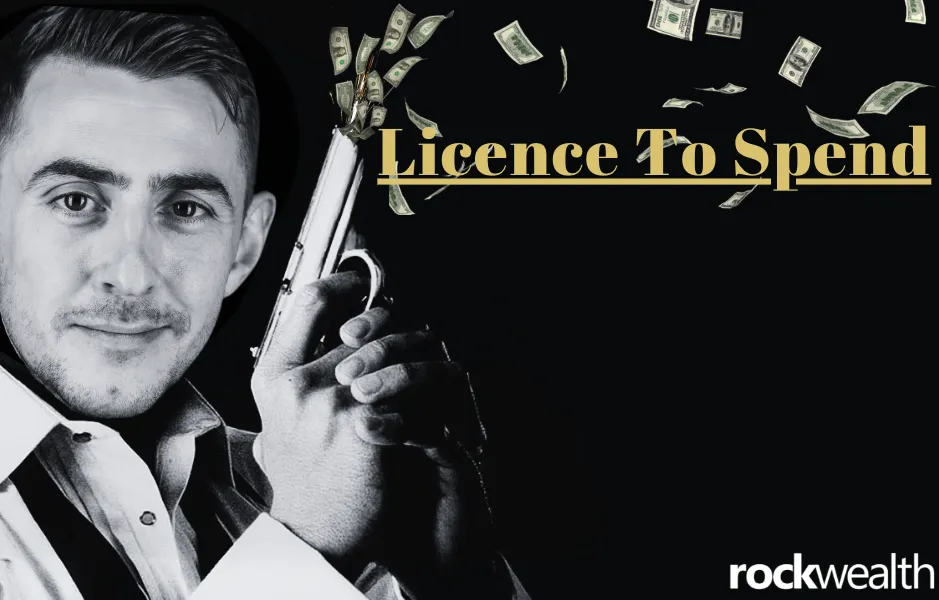
Financial Planning Gives You a ‘Licence to Spend’
As financial planners, our job isn’t just to protect your money. It’s to make sure your money is working for you. That means giving you the confidence to enjoy your wealth, knowing you’re financially secure no matter what. Here’s how we do it:
1. “Show me the money!”
Most clients who are afraid to spend have never seen a clear breakdown of what they can afford. They might have a rough idea of their investments and pension income, but they don’t know if taking that extra holiday, helping their children with a house deposit, or buying that dream car is actually financially viable. We build detailed, evidence-based financial plans that show:
- How much you can afford to spend each year without risking financial security.
- How different spending patterns impact your long-term wealth.
- What your investment returns need to be for your plan to work.
- How much you can gift to family now without jeopardising your own future.
Often, when our clients see these numbers, something clicks. They realise that they’re going to be OK. That they have enough. That not only can they afford to spend more - but that they should. The conversation then changes from our clients talking about their (assumed) need to reduce spending in retirement to discussing their ideal lifestyle -which is a much more interesting and exciting conversation for everyone involved!
2. Secure foundations
It’s not just about knowing what you can afford - it’s about structuring your finances so you feel comfortable spending:
- Cash is King: We ensure you have enough cash to cover several months/years of living expenses so short-term, temporary market fluctuations don’t negatively impact ability to sustain your desired lifestyle.
- Evidence-based investing: We ensure your investments are structured to provide long-term, sustainable growth, without unnecessary risk.
- Tax-efficient withdrawal strategies: Instead of just drawing from your pension, we optimise where your income comes from to minimise tax and maximise what you get to spend.
3. Ongoing support
Financial plans aren’t static. Life changes, markets move, and economic conditions shift. We act as a long-term partner who continuously reassesses your financial situation, keeping you on track and giving you the reassurance to spend confidently. That’s where working with a financial planner makes all the difference. We’re here not just to build your plan, but to adapt it as needed - so you always know where you stand.
Intentional Spending vs. Wasteful Spending
Now, to be clear: we’re not saying you should throw caution to the wind and start burning through your money. Thoughtful, intentional spending is different from reckless spending. What we advocate for is purposeful, meaningful spending - spending that enhances your life, supports your family, and allows you to experience the things you’ve always wanted to whilst you are fit and healthy enough to do so. This could mean:
- Buying that campervan.
- Booking that dream holiday.
- Renovating your home to see you through the next couple of decades.
- Helping your children/grandchildren whilst they actually need it, and you’re around to see them enjoy it (instead of leaving them a large inheritance when they’re older and financially secure).
- Investing in your health and wellbeing, whether that’s better healthcare, fitness, or even just more enjoyable experiences.
The Risk of a Life not Lived
One of the saddest things we see are people who waited too long. They were too careful. Too cautious. They held back on spending “just in case”. And then, life happened. Their knees seized up. Their health declined. They slowed down. Their plans and ambitions slowly faded away. Suddenly, all that wealth they worked so hard for wasn’t enhancing their life - it was just sitting there, waiting to be passed on to someone else. The reality is that your money has the most impact when you use it. You’ve worked hard for this wealth. You deserve to enjoy it. And with a well-structured financial plan, you can. As a client once quipped to us in a meeting, “there are no pockets in shrouds”. You cannot take it with you; so you may as well look to intentionally spend it on whatever’s important to you.
Are You Ready to Start Living?
If you want to make sure you’re not just financially secure - but also living your ideal lifestyle -we can help. We’ll help you build a plan that gives you confidence. That lets you enjoy your wealth, knowing you’re doing it wisely. That ensures you have enough, not just to live, but to live well. Because financial planning isn’t just about managing your money. It’s about making sure your money is working for you. Get in touch today for a ‘Licence to Spend’.

https://ifs.org.uk/news/retired-people-look-set-bequeath-rather-use-most-their-wealth